Buy najlepszeppk.eu ?
We are moving the project
najlepszeppk.eu .
Are you interested in purchasing the domain
najlepszeppk.eu ?
domain@kv-gmbh.de · 0541-91531010
Buy najlepszeppk.eu ?
What is cellular respiration?
Cellular respiration is the process by which cells break down glucose and other organic molecules to produce energy in the form of ATP (adenosine triphosphate). This process occurs in the mitochondria of cells and involves a series of biochemical reactions that ultimately convert the energy stored in glucose into a usable form for the cell. Cellular respiration is essential for the survival of all living organisms as it provides the energy needed for various cellular activities and functions. **
What is glycolytic cellular respiration?
Glycolytic cellular respiration is the process by which cells break down glucose to produce energy in the form of adenosine triphosphate (ATP). This process occurs in the cytoplasm of the cell and involves a series of enzymatic reactions that convert glucose into pyruvate. Glycolysis is the first stage of cellular respiration and is anaerobic, meaning it does not require oxygen. The ATP produced during glycolysis can be used by the cell for various energy-requiring processes. **

Similar search terms for Respiration
Top-Angebote
Products related to Respiration:
-
Bronzhaus Handmade Bronze Sculpture Statue Moose Musuem Quality Masterpiece FigurineCondition: This sculpture is in perfect condition Bronze Dimensions with Marble Base: Height 12 inches X Width 12 inches Marble Dimensions:10 inches X 5 inches Height without base:11 inches Weight:15 LBS Inventory:54K1666037 Original or Reproduction:…377,99 $*Shipping: 0,00 $Secure redirect to the provider
-
Headline Storecupboard One Pound Meals by Miguel Barclay – 85 Easy & Affordable RecipesMiguel Barclay is back with his sixth book in the 'One Pound Meals' series and he's on a mission to save you even more money and time with this collection of storecupboard recipes.Miguel has already revolutionised the way that many of you cook at home - with his budget recipes, healthy ingredients and his ingenious time-saving tips. In STORECUPBOARD ONE POUND MEALS Miguel takes his stress-free, maximum flavour philosophy and teaches you how to get the most out of your every day cupboard essentials. Tins, cans, dried herbs and spices become the main 'hero ingredients', helping you plan affordable dinners each week.With over 80 of Miguel's favourite storecupboard dishes, you'll have plenty of recipes for the whole family to enjoy, or tasty leftovers to eat the next day or freeze for another time.Miguel's budget-friendly cooking will once again bring great taste to your kitchen.Minimum fuss, maximum flavour and all for £1 per person.6,95 £*Shipping: 2,99 £Secure redirect to the provider
-
Inspired Living Colorful Cocktail Wall Art Set Trendy Bar Decor Prints For Stylish Home Bars 6 20x30cmElevate your space with vibrant, eyecatching cocktail wall art designed to bring personality and energy into your home. These stylish prints are perfect for anyone who loves entertaining, relaxing with a drink, or simply curating a modern aesthetic....23,97 $*Shipping: 0,00 $Secure redirect to the provider




-
Do mushrooms undergo cellular respiration?
Yes, mushrooms do undergo cellular respiration. Just like other living organisms, mushrooms require energy to carry out their metabolic processes, and cellular respiration is the process by which they generate this energy. During cellular respiration, mushrooms break down organic molecules to produce ATP, the energy currency of the cell, which is used to fuel their growth, reproduction, and other biological functions. **
-
How does skin respiration work?
Skin respiration, also known as cutaneous respiration, is the process by which oxygen is absorbed and carbon dioxide is released through the skin. This process occurs in many animals, especially those with thin or moist skin, such as amphibians and some invertebrates. In skin respiration, gases diffuse across the skin's surface due to differences in partial pressures between the external environment and the internal tissues. Oxygen from the surrounding air or water diffuses into the skin and then into the bloodstream, where it can be transported to cells for cellular respiration. Carbon dioxide, a waste product of cellular respiration, diffuses out of the bloodstream and is released through the skin into the environment. Skin respiration is particularly important for animals that have a low metabolic rate or live in environments with low oxygen levels, as it provides an additional route for gas exchange. However, it is less efficient than respiratory systems such as lungs or gills, so it is typically used in conjunction with other forms of respiration. **
-
When does cellular respiration occur?
Cellular respiration occurs in the cells of living organisms constantly, as it is the process by which cells break down glucose and other organic molecules to produce energy in the form of ATP. This process is essential for the survival of cells and the organism as a whole, providing the energy needed for various cellular activities. Cellular respiration occurs in the presence of oxygen (aerobic respiration) or in the absence of oxygen (anaerobic respiration), depending on the availability of oxygen in the environment. **
-
What is cellular respiration in plants?
Cellular respiration in plants is the process by which they convert the energy stored in glucose molecules into a form that can be used by the plant to carry out its various functions. This process occurs in the mitochondria of plant cells and involves the breakdown of glucose through a series of chemical reactions, ultimately producing ATP (adenosine triphosphate) as the energy currency of the cell. The overall equation for cellular respiration in plants is the opposite of photosynthesis, as it involves the consumption of oxygen and the release of carbon dioxide. **


Is cellular respiration endothermic or exothermic?
Cellular respiration is exothermic, meaning it releases energy in the form of heat. During cellular respiration, glucose is broken down in the presence of oxygen to produce carbon dioxide, water, and ATP (adenosine triphosphate). This process releases energy that is used by the cell for various functions. Overall, cellular respiration is an exothermic reaction because it releases more energy than it consumes. **
What is glycolysis in cellular respiration?
Glycolysis is the first stage of cellular respiration, the process by which cells break down glucose to produce energy. It takes place in the cytoplasm of the cell and does not require oxygen, making it an anaerobic process. During glycolysis, a molecule of glucose is broken down into two molecules of pyruvate, and in the process, a small amount of ATP (energy) is produced. This ATP can be used by the cell for various functions. Glycolysis is a crucial step in cellular respiration and provides the starting point for the next stages of the process, which occur in the mitochondria. **
Top-Angebote
Products related to Respiration:
-
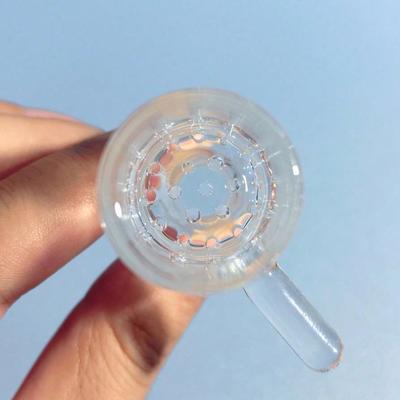
Retailers Go Honeycomb Glass Bowl, Transparent, Handmade, Unique Craftsmanship, Perfect For Your Smoking Collection Honeycomb Glass Bowl, Transparent, Handmade, Unique Craftsmanship, Perfect For Your Smoking CollectionIntroducing the 14mm(0.5512 inches)approx Transparent Handmade Glass Bowl, a beautifully crafted piece that combines stunning aesthetics with unmatched functionality. Perfect for any smoking enthusiast, this unique honeycomb glass bowl is designed...66,97 $*Shipping: 0,00 $Secure redirect to the provider
-
Bronzhaus Handmade Bronze Sculpture Statue Moose Musuem Quality Masterpiece FigurineCondition: This sculpture is in perfect condition Bronze Dimensions with Marble Base: Height 12 inches X Width 12 inches Marble Dimensions:10 inches X 5 inches Height without base:11 inches Weight:15 LBS Inventory:54K1666037 Original or Reproduction:…377,99 $*Shipping: 0,00 $Secure redirect to the provider
-
Headline Storecupboard One Pound Meals by Miguel Barclay – 85 Easy & Affordable RecipesMiguel Barclay is back with his sixth book in the 'One Pound Meals' series and he's on a mission to save you even more money and time with this collection of storecupboard recipes.Miguel has already revolutionised the way that many of you cook at home - with his budget recipes, healthy ingredients and his ingenious time-saving tips. In STORECUPBOARD ONE POUND MEALS Miguel takes his stress-free, maximum flavour philosophy and teaches you how to get the most out of your every day cupboard essentials. Tins, cans, dried herbs and spices become the main 'hero ingredients', helping you plan affordable dinners each week.With over 80 of Miguel's favourite storecupboard dishes, you'll have plenty of recipes for the whole family to enjoy, or tasty leftovers to eat the next day or freeze for another time.Miguel's budget-friendly cooking will once again bring great taste to your kitchen.Minimum fuss, maximum flavour and all for £1 per person.6,95 £*Shipping: 2,99 £Secure redirect to the provider
-
What is cellular respiration?
Cellular respiration is the process by which cells break down glucose and other organic molecules to produce energy in the form of ATP (adenosine triphosphate). This process occurs in the mitochondria of cells and involves a series of biochemical reactions that ultimately convert the energy stored in glucose into a usable form for the cell. Cellular respiration is essential for the survival of all living organisms as it provides the energy needed for various cellular activities and functions. **
-
What is glycolytic cellular respiration?
Glycolytic cellular respiration is the process by which cells break down glucose to produce energy in the form of adenosine triphosphate (ATP). This process occurs in the cytoplasm of the cell and involves a series of enzymatic reactions that convert glucose into pyruvate. Glycolysis is the first stage of cellular respiration and is anaerobic, meaning it does not require oxygen. The ATP produced during glycolysis can be used by the cell for various energy-requiring processes. **
-
Do mushrooms undergo cellular respiration?
Yes, mushrooms do undergo cellular respiration. Just like other living organisms, mushrooms require energy to carry out their metabolic processes, and cellular respiration is the process by which they generate this energy. During cellular respiration, mushrooms break down organic molecules to produce ATP, the energy currency of the cell, which is used to fuel their growth, reproduction, and other biological functions. **
-
How does skin respiration work?
Skin respiration, also known as cutaneous respiration, is the process by which oxygen is absorbed and carbon dioxide is released through the skin. This process occurs in many animals, especially those with thin or moist skin, such as amphibians and some invertebrates. In skin respiration, gases diffuse across the skin's surface due to differences in partial pressures between the external environment and the internal tissues. Oxygen from the surrounding air or water diffuses into the skin and then into the bloodstream, where it can be transported to cells for cellular respiration. Carbon dioxide, a waste product of cellular respiration, diffuses out of the bloodstream and is released through the skin into the environment. Skin respiration is particularly important for animals that have a low metabolic rate or live in environments with low oxygen levels, as it provides an additional route for gas exchange. However, it is less efficient than respiratory systems such as lungs or gills, so it is typically used in conjunction with other forms of respiration. **
Similar search terms for Respiration
-
Inspired Living Colorful Cocktail Wall Art Set Trendy Bar Decor Prints For Stylish Home Bars 6 20x30cmElevate your space with vibrant, eyecatching cocktail wall art designed to bring personality and energy into your home. These stylish prints are perfect for anyone who loves entertaining, relaxing with a drink, or simply curating a modern aesthetic....23,97 $*Shipping: 0,00 $Secure redirect to the provider
-
Inspired Living Colorful Cocktail Wall Art Set Trendy Bar Decor Prints For Stylish Home Bars 4 50x70cmElevate your space with vibrant, eyecatching cocktail wall art designed to bring personality and energy into your home. These stylish prints are perfect for anyone who loves entertaining, relaxing with a drink, or simply curating a modern aesthetic....23,97 $*Shipping: 0,00 $Secure redirect to the provider
-
When does cellular respiration occur?
Cellular respiration occurs in the cells of living organisms constantly, as it is the process by which cells break down glucose and other organic molecules to produce energy in the form of ATP. This process is essential for the survival of cells and the organism as a whole, providing the energy needed for various cellular activities. Cellular respiration occurs in the presence of oxygen (aerobic respiration) or in the absence of oxygen (anaerobic respiration), depending on the availability of oxygen in the environment. **
-
What is cellular respiration in plants?
Cellular respiration in plants is the process by which they convert the energy stored in glucose molecules into a form that can be used by the plant to carry out its various functions. This process occurs in the mitochondria of plant cells and involves the breakdown of glucose through a series of chemical reactions, ultimately producing ATP (adenosine triphosphate) as the energy currency of the cell. The overall equation for cellular respiration in plants is the opposite of photosynthesis, as it involves the consumption of oxygen and the release of carbon dioxide. **
-
Is cellular respiration endothermic or exothermic?
Cellular respiration is exothermic, meaning it releases energy in the form of heat. During cellular respiration, glucose is broken down in the presence of oxygen to produce carbon dioxide, water, and ATP (adenosine triphosphate). This process releases energy that is used by the cell for various functions. Overall, cellular respiration is an exothermic reaction because it releases more energy than it consumes. **
-
What is glycolysis in cellular respiration?
Glycolysis is the first stage of cellular respiration, the process by which cells break down glucose to produce energy. It takes place in the cytoplasm of the cell and does not require oxygen, making it an anaerobic process. During glycolysis, a molecule of glucose is broken down into two molecules of pyruvate, and in the process, a small amount of ATP (energy) is produced. This ATP can be used by the cell for various functions. Glycolysis is a crucial step in cellular respiration and provides the starting point for the next stages of the process, which occur in the mitochondria. **
* All prices are inclusive of VAT and, if applicable, plus shipping costs. The offer information is based on the details provided by the respective shop and is updated through automated processes. Real-time updates do not occur, so deviations can occur in individual cases. ** Note: Parts of this content were created by AI.